Oct 29, 2026 | Community, Society & Diaspora
On the night of 20 to 21 December, Iranians celebrate Shab-e Yalda, the longest night of the year. Families stay up late, eat pomegranates and watermelon, and read poems by Hafez. In Germany, Persian associations have started planning public evenings that are open to everyone.
An evening for neighbours and friends
Community centres in several cities want to use the celebration to bring German and Iranian neighbours together. Typical programmes include live music, a short introduction to the tradition, readings in Persian and German, and a table of nuts, dried fruit and sweets.
A tradition between generations
For many families in the diaspora, Yalda is also a way to pass on language and customs to children born in Germany. Organisers recommend booking early, as places at popular events are usually limited.

Oct 28, 2026 | Education & Research, Study
Germany remains one of the most popular destinations for Iranian students, especially in engineering, medicine and the natural sciences. Anyone planning to start in 2027 should begin preparing now, because several steps take months.
Language first
Most German-taught degrees require a recognised certificate such as TestDaF or DSH. English-taught master's programmes usually ask for IELTS or TOEFL. Language courses often fill up early, so it pays to book exam dates well in advance.
Documents and financing
Certified translations of school and university records, a recognition check of the previous degree and proof of financing for the visa are standard. The blocked account and health insurance must be arranged before the visa appointment.
Check each university's deadline
Application periods differ by university and programme. Always rely on the official pages of the university and the German embassy, as requirements can change from one semester to the next.
Oct 27, 2026 | Art & Literature, Crafts, Exhibitions
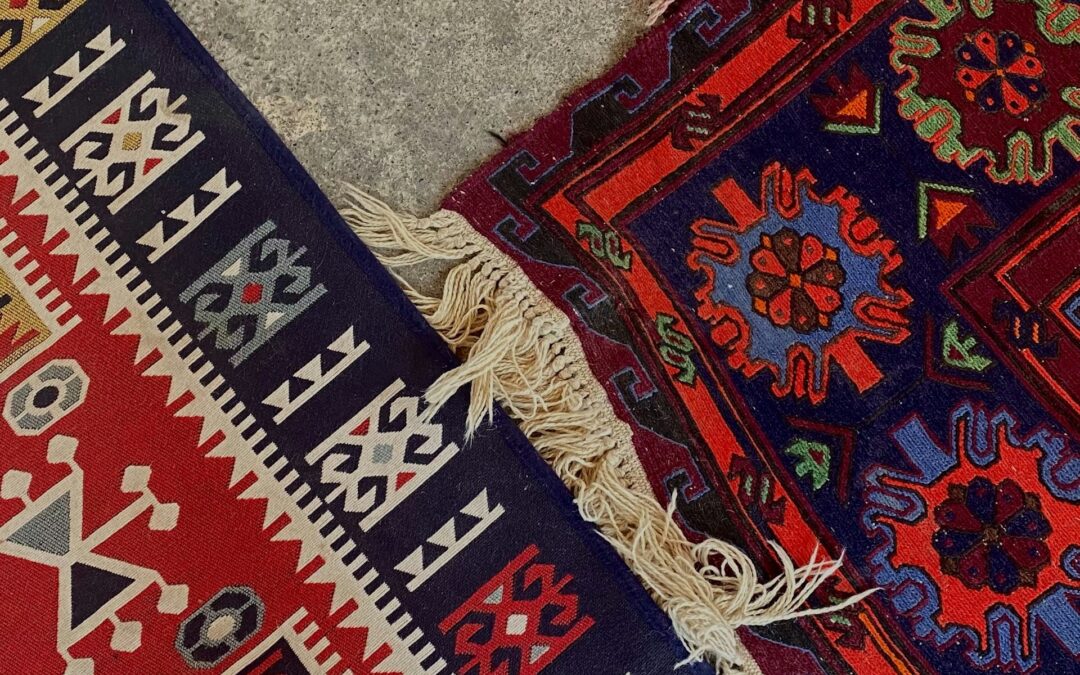
Hand-knotted Persian carpets have been collected in Germany for well over a century. Exhibitions of historic and contemporary pieces regularly draw large audiences, from collectors to families who own a carpet inherited from their grandparents.
Reading a carpet
Each region has its own language of patterns. Carpets from Tabriz are known for fine detail and medallions, those from Kerman for flowing floral designs, while nomadic rugs often show bold geometric shapes. The number of knots per square metre, the wool quality and natural dyes all influence value.
A craft passed on by hand
Behind every carpet are months of work. Many weavers learned the craft within their families, and patterns are often handed down for generations. For visitors, a close look at the back of a carpet reveals more about its making than the front.