Oct 26, 2026 | Economy, Import &
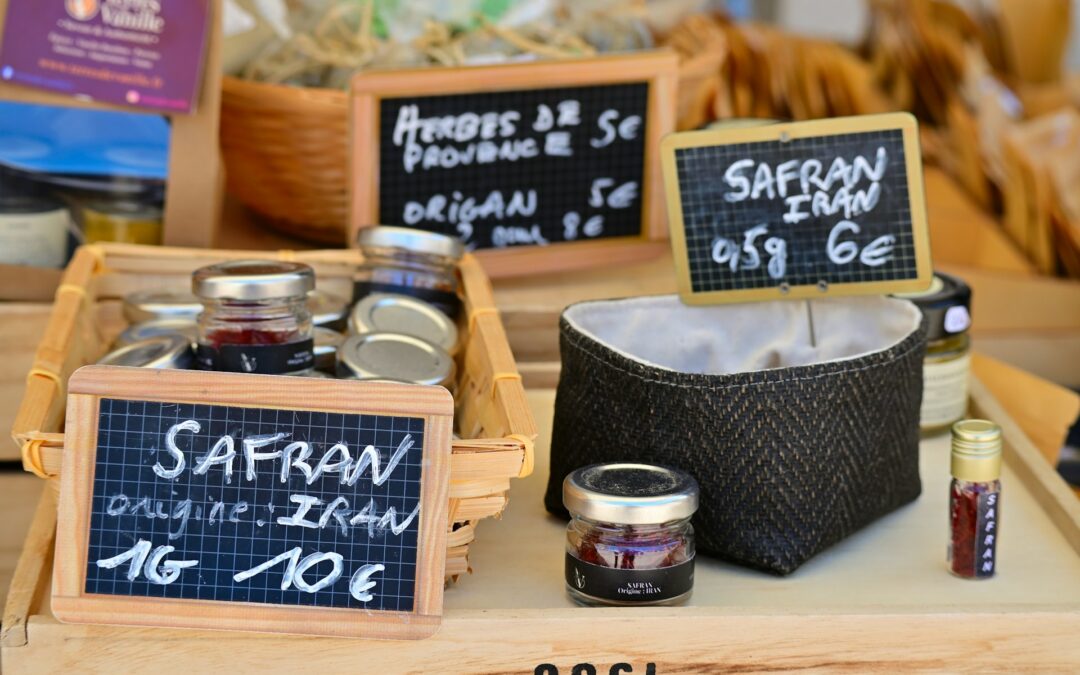
Iran grows the large majority of the world's saffron, mostly in the province of Khorasan. In Germany, the spice has moved from specialist shops into supermarkets and cookery programmes, and importers report steady interest from restaurants and home cooks.
How to recognise good saffron
Genuine saffron consists of deep red threads that colour water slowly and evenly. Very cheap offers, powder of unknown origin or threads with many yellow parts are warning signs. Reputable sellers state the grade and the harvest year.
Small quantities, high value
Because it takes around 150,000 flowers to produce one kilogram, saffron is sold in grams. For importers, the main challenges are reliable lab testing, transparent supply chains and payment routes. For cooks, the advice is simple: a few threads are enough for a whole pot of rice.
Oct 25, 2026 | Culture, Film
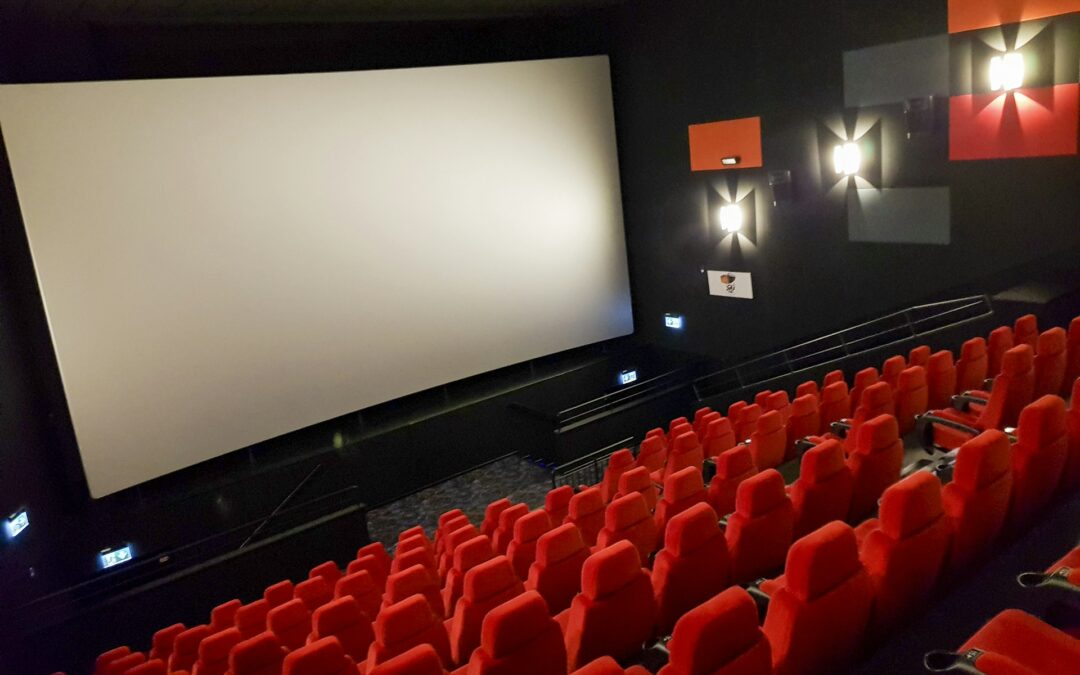
Iranian cinema has a loyal audience in Germany, and film weeks in Berlin, Hamburg and Cologne regularly sell out. This autumn's programmes again bring together independent feature films, documentaries and short films, most of them with German or English subtitles.
Women behind the camera
A recurring focus is the work of women directors, whose films often tell everyday stories about family, work and city life. After many screenings, audiences can discuss the films with critics and members of the film teams.
Beyond the festival circuit
For many viewers, these weeks are the only chance to see Iranian films on a big screen, as few reach German cinemas through regular distribution. Organisers advise booking tickets online, as smaller cinemas have limited seats.
Oct 24, 2026 | German-Iranian History, History, Literature &
In 1814, Johann Wolfgang von Goethe read a German translation of the poems of Hafez, the 14th-century poet from Shiraz. The encounter inspired one of his major late works: the West-östlicher Divan, published in 1819.
A conversation across centuries
Goethe did not simply imitate Persian poetry. He wrote as if in dialogue with Hafez, taking up themes such as love, wine, travel and wisdom, and reflecting on what East and West could learn from each other. Some poems in the collection were written by Marianne von Willemer and included under Goethe's name.
A symbol that lives on
Today the Divan is a reference point for cultural exchange between Germany and Iran. In Weimar, a monument with two chairs facing each other recalls the two poets, and new bilingual editions keep introducing readers to both.
Oct 23, 2026 | Education & Research, Languages
Language schools in Iranian cities report steady demand for German courses. Many learners are students preparing for a German university, but nurses, doctors and engineers who hope to work in Germany are also filling the classrooms.
Persian on Saturday mornings
In Germany, the movement goes the other way. Weekend schools run by parents and associations teach Persian reading and writing to children who grow up speaking German. Teachers say the biggest challenge is keeping the language alive beyond the classroom.
Adults rediscover their roots
Adult education centres and universities in several German cities also offer Persian courses. Participants include people with Iranian roots, partners in mixed families and travellers who want to read poetry in the original.
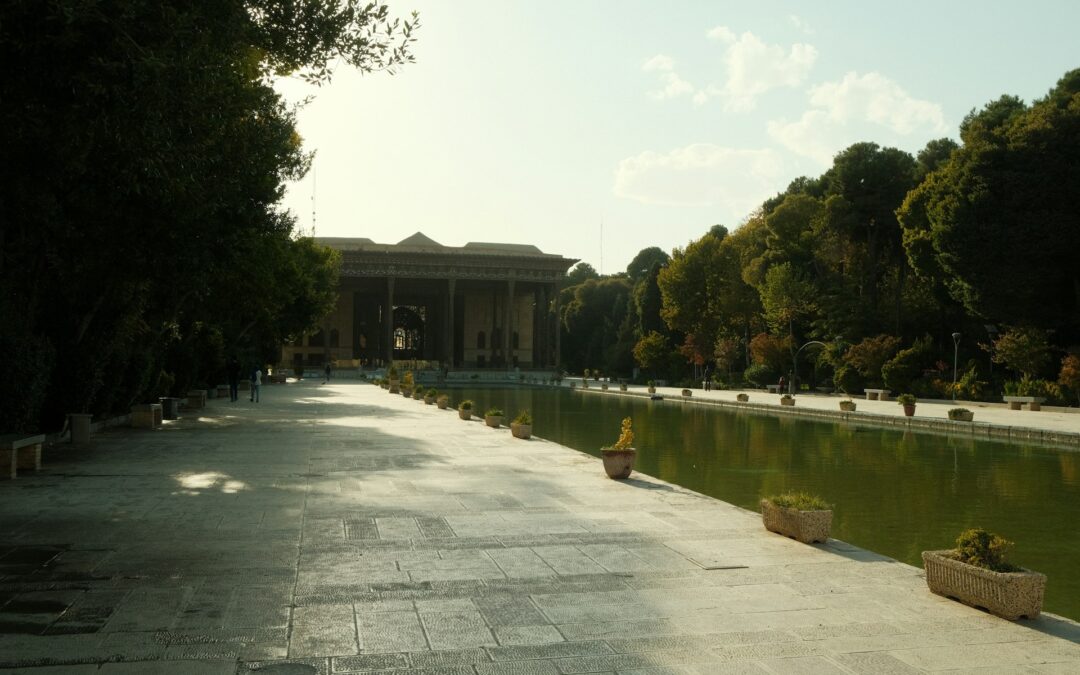
Oct 22, 2026 | Cities &, Cultural Heritage, Travel
Isfahan is often the city that German travellers remember most from a trip to Iran. Its historic centre, rebuilt as a royal capital in the 17th century, combines monumental architecture with lively everyday life.
Naqsh-e Jahan Square
The vast square, a UNESCO World Heritage Site since 1979, is framed by two mosques, a palace and the entrance to the bazaar. It is best visited in the late afternoon, when families gather on the lawns and the tiles glow in the evening light.
Bridges over the Zayandeh Rud
The Si-o-se Pol and Khaju bridges are meeting places for walkers and singers. Whether the river carries water depends on the season and on water management upstream.
Practical tips
Spring and autumn offer the most pleasant temperatures. Before travelling, check the current travel advice of the German Foreign Office and the visa and payment rules, as foreign bank cards usually cannot be used in Iran.